

연세대학교 발달심리 연구실 Yonsei Human Development Lab

Research

저희 연구실은 인지발달, 언어 발달, 심리추론 능력 이해 발달, 도덕성 발달, 그리고 노인기의 인지 및 정서 발달 등 인간 발달의 다양한 측면을 탐구합니다. 특히 최근에는 아동의 호기심과 질문 능력의 발달에 대해 탐구하고 있습니다.

책을 바라보는 아기

호기심 Curiosity

아이들은 자신이 모르는 것을 알아차리고, 답을 찾기 위해 질문하면서 세상을 배워 갑니다. 저희 연구실은 이러한 질문 능력과 호기심이 아동기 동안 어떻게 발달하고 학교에서의 학습 경험에 따라 어떻게 달라지는지 연구합니다.

또한 공교육과 사교육을 포함한 교육 환경이 자발적인 탐구와 창의성에 어떤 영향을 주는지 살펴봅니다. AI가 질문과 답을 쉽게 제시하는 시대에 아이들이 스스로 궁금해하고 질문하는 능력을 어떻게 키워 가는지도 중요한 관심사입니다.

알록달록한 한글 글자 블록

언어 발달 Language

아이들은 주변 사람들과 대화하고 상호작용하며 말의 의미와 쓰임을 배워 갑니다. 저희 연구실은 영아와 아동이 단어와 문장을 어떻게 이해하고 사용하게 되는지, 언어를 배우는 과정에서 타고난 능력과 주변 환경이 각각 어떤 역할을 하는지 탐구합니다.

아이마다 언어 발달의 속도와 양상이 다른 이유, 다양한 언어 경험과 사회적 상호작용이 언어 이해와 표현에 어떤 변화를 가져오는지도 살펴봅니다.

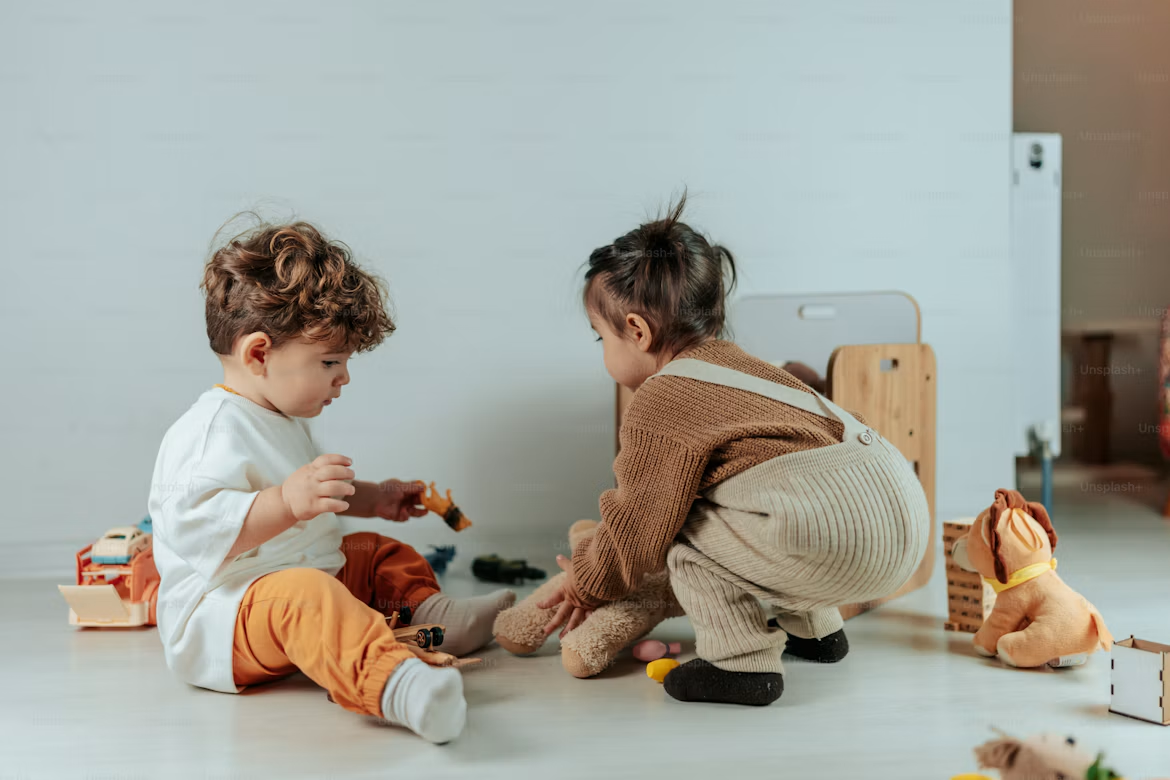
장난감을 함께 가지고 노는 두 아이

도덕성 발달 Morality

다른 사람을 돕고 나누는 행동은 함께 살아가는 데 중요한 능력입니다. 저희 연구실은 영아와 어린 아동이 도움과 나눔을 언제부터, 어떤 상황에서 보이는지 연구합니다.

또한 타인의 필요를 알아차리고 행동으로 옮기는 과정이 아이의 기질, 양육 환경, 또래와의 경험 등과 어떻게 관련되는지 살펴보며, 친사회적 행동이 발달하는 과정을 이해하고자 합니다.

Publications

2026

  • Lee, Y. E., Jung, S. K., Song, H. J., & Warneken, F. (2026). US and Korean children prefer equality, but Korean children are more tolerant of ingroup-favoring allocations. Journal of Experimental Child Psychology, 262, 106375. [Link]
  • Lee, J. Y., Song, C., Taylor, L. K., Jin, K. S., Song, M., & Song, H. J. (2026). Contact with North Koreans can extend to South Koreans’ support for refugees. Current Psychology, 45(3), Article 304, [Link]

2025

  • Choi, Y., Kim, E. Y., Lee, H., & Song, H. (2025). Before first words: Infants’ ability to map words to goals. Infant Behavior and Development, 81, 102154. [Link]
  • Jung, S., & Song, H. J. (2025). Effect of questions on Korean children’s exploratory behaviors. The Korean Journal of Developmental Psychology, 38(1), 119–133.  [Link]
  • 신유주, & 이나연, & 송현주. (2025). The influence of infant curiosity and caregiver factors on early looking patterns. The Korean Journal of Developmental Psychology, 38(3), 59–79. [Link]
  • Wang, X., Kim, J.-Y., Kim, J.-H., Choi, Y., Ha, E.-G., Kim, D.-H., Sul, S., Yang, S., & Song, H. (2025). Brain structure correlates of foreign language learning experiences. Frontiers in Human Neuroscience, 19. . [Link]

2024

  • Cha, M., & Song, H. (2024). Focusing attention on others’ negative emotions reduces the effect of social relationships on children’s distributive behaviors. PLoS ONE, 19(2), e0295642. [Link]
  • Choi, Y., Lee, H., Song, H., & Luo, Y. (2024). Understanding a Third‐Party communicative situation in Korean‐Learning Infants. Developmental Science, 28(1), e13591. [Link]
  • Lucca, K., Yuen, F., Wang, Y., Alessandroni, N., Allison, O., Alvarez, M., Axelsson, E. L., Baumer, J., Baumgartner, H. A., Bertels, J., Bhavsar, M., Byers‐Heinlein, K., Capelier‐Mourguy, A., Chijiiwa, H., Chin, C. S., Christner, N., Cirelli, L. K., Corbit, J., Daum, M. M., . . . Hamlin, J. K. (2024). Infants’ social Evaluation of helpers and hinderers: a Large‐Scale, Multi‐Lab, Coordinated replication study. Developmental Science, 28(1), e13581. [Link]
  • Lee, Y., & Song, H. (2024). The influence of observers on children’s conformity in moral judgment behavior. Frontiers in Psychology, 15, 1289292. [Link]
  • Seong, H., Kim, S., Shin, Y., Jung, S., Cho, S., & Song, H. (2024). A review of the effect of cognitive abilities and interventions on the development of questioning abilities in children. Korean Journal of Developmental Psychology, 37(2), 19. [Link]

2023

  • Cho, I., Hosseini-Kamkar, N., Song, H., & Morton, J. B. (2023). Culture, executive functions, and academic achievement. Frontiers in Psychology, 14, 1100537. [Link]
  • 성민경, 오성환, & 송현주. (2023). Development of questioning behaviors in two to three-year-old Korean children. The Korean Journal of Developmental Psychology, 36(1), 69–86. [Link]
  • 오성환, 이나연, 김한조, & 송현주. (2023). The mediation effects of parenting by lying on the relationship between parenting stress and children’s psychosocial maladjustment. The Korean Journal of Developmental Psychology, 36(4), 121–139. [Link]
  • Shi, H., He, A. X., Song, H., Jin, K., & Arunachalam, S. (2023). Learning verbs in English and Korean: The roles of word order and argument drop. Language Learning and Development, 20(1), 19–39. [Link]

2022

  • Lee, C., & Song, H. (2022). Priming behavioral control enhances sharing in preschoolers. Frontiers in Psychology, 13, 892382. [Link]
  • Lee, H., & Song, H. (2022). Exposure to Foreign Languages through Live Interaction Can Facilitate Children’s Acceptance of Multiple Labeling Conventions across Languages. Journal of Child Language, 51(2), 470–484. [Link]
  • 이정윤, 이우열, 송현주, & 차민정. (2022). 코로나19 팬데믹에서의 아동 적응: 부모의 정서 및 양육 방식을 중심으로. 한국심리학회지: 발달, 35(3), 43–60. [Link]

2021

  • Cho, I., Park, J., Song, H., & Morton, J. B. (2021). Disentangling language status and country-of-origin explanations of the bilingual advantage in preschoolers. Journal of Experimental Child Psychology, 212, 105235. [Link]
  • Cho, I., Lee, Y., & Song, H. (2021). Six-month-olds’ ability to use linguistic cues when interpreting others’ pointing actions. Infant Behavior and Development, 64, 101621. [Link]
  • Park, J., Song, H., & Cha, M. (2021). The influence of attention to others’ emotional and physical characteristics on adults’ and children’s resource distribution behavior. The Korean Journal of Developmental Psychology, 34(1), 47–61. [Link]
  • 차여명, & 송현주. (2021). 비일관적인 행위자에 대한 사회-도덕적 평가. 인간발달연구, 28(2), 187-207.

2020

  • Cho, I., Song, H. J., Kim, H., & Sul, S. (2020). Older adults consider others’ intentions less but allocentric outcomes more than young adults during an ultimatum game. Psychology and Aging, 35(7), 974. [Link]
  • Lee, W., Kim, E. Y., & Song, H. J. (2020). Do infants expect others to be helpful?. British Journal of Developmental Psychology, 38(3), 478-490. [Link]

2019

  • Jin, K., Cha, M., & Song, H. (2019). The relationships between autistic trait and socio-moral judgments. THE KOREAN JOURNAL OF CULTURE AND SOCIAL ISSUES, 25(2), 137–155. [Link]
  • Jin, K. S., Hwang, J., & Song, H. J. (2019). Children’s moral evaluations of lying for one’s ingroup member. The Korean Journal of Developmental Psychology, 32(1), 87-104. [Link]
  • Jin, K., Kim, Y., Song, M., Kim, Y., Lee, H., Lee, Y., Cha, M., & Song, H. (2019). Fourteen- to Eighteen-Month-Old infants use explicit linguistic information to update an agent’s false belief. Frontiers in Psychology, 10, 2508. [Link]
  • Park, C., & Song, H. (2019). Infants’ social evaluations of helping behaviors. THE KOREAN JOURNAL OF DEVELOPMENTAL PSYCHOLOGY, 32(2), 65–77. [Link]
  • 박제완, 송현주, 한규옥, 박채린. (2019). 타인에 대한 주의 유도가만 4 세 아동의 분배 행동에 미치는 영향. 한국심리학회지: 발달, 32(1), 127-139. [Link]
  • 이현아, & 송현주. (2019). The Influence of Foreign Language Experiences on Children’s Language Development: A Review and Suggestions for Future Research. 언어사실과 관점, 133-153. [Link]

2018

  • Choi, Y. J., Song, H. J., & Luo, Y. (2018). Infants’ understanding of the definite/indefinite article in a third-party communicative situation. Cognition, 175, 69-76. [Link]
  • Chae, J. J. K., & Song, H. J. (2018). Negativity bias in infants’ expectations about agents’ dispositions. British Journal of Developmental Psychology, 36(4), 620-633. [Link]
  • Sue-jeong, S., Hyun-joo, S., Choi, H. K., Hwang, M. H., Lee, H., Lee, Y. M. C., … & Lee, H. K. (2018). Why we do and what we do: The experience of good English language learners. Journal of Asia TEFL, 15(1), 130. [Link]

2017

  • Jin, K. S., & Song, H. J. (2017). You changed your mind! Infants interpret a change in word as signaling a change in an agent’s goals. Journal of Experimental Child Psychology, 162, 149-162. [Link]
  • 김현정, 송현주. (2017). 도움 행동이 유발하는 정서에 대한 관찰자의 영향: 성인과 만 4-5세 아동의 자료. 한국심리학회지: 발달. [Link]
  • 이윤미, 김민주, & 송현주. (2017). 타인의 단어와 행동 목표의 관계성에 대한 10 개월 영아의 이해에 있어서 사회정서 단서의 영향. 아동학회지, 38(1), 205-215. [Link]
  • 진경선, 김수연, 송민, 송현주, & 정유경. (2017). 단체카톡방 언어성폭력에 대한 태도 연구. 한국심리학회지: 여성, 289-313. [Link]
  • 이현아, 김은영, & 송현주. (2017). 상호배타성 가정의 선택적 사용 능력의 발달: 2 세와 3 세 아동 비교 연구. 한국심리학회지: 발달, 103-115. [Link]

2016

  • 김은영, & 송현주. (2016). 만 5-6 세 한국 아동의 사회비교에 영향을 주는 양육자 요인. 한국심리학회지: 발달, 101-116. [Link]
  • 이현아, 김은영, & 송현주. (2016). 단일 언어 사용 2-3 세 아동의 외국어 단어에 대한 이해. Korean Journal of Child Studies, 37(4), 159. [Link]
  • 이윤미, & 송현주. (2016). 조기 외국어 노출이 영아기 언어의 관습성 이해 발달에 미치는 영향. 한국심리학회지: 발달, 29(3), 215–229. [Link]

2015

  • 차민정, 김은영, 채주경, & 송현주. (2015). 만 24 개월 영아의 도움, 나눔 행동의 발달. 유아교육연구, 75-94. [Link]
  • Lee, Y. E., Yun, J. E. E., Kim, E. Y., & Song, H. J. (2015). The development of infants’ sensitivity to behavioral intentions when inferring others’ social preferences. PLoS One, 10(9), e0135588. [Link]
  • 진경선, 김민주, & 송현주. (2015). 한국 유아의 격조사를 활용한 타동사 문장 이해 발달. 한국심리학회지: 발달, 75-90. [Link]
  • 김민주, 안의진, & 송현주. (2015). 한국인 EFL 성인 고급 학습자들의 담화 맥락에서의 대명사 이해. 언어과학, 22(3), 73-92. [Link]
  • 김민주, 이현아, 송현주, 이희경, 신수정, & 황명환. (2015). 한국형 성인 우수영어학습자 학습자특성에 관한 사례연구. 현대영어교육, 16(3), 185-211. [Link]
  • 김은영, & 송현주. (2015). 형태론적 언어 정보 활용을 통한 타인행동 목표 추론 능력의 영아기 발달. 한국심리학회지: 발달, 175-194. [Link]
  • 차민정, & 송현주. (2015). 5-6 세 아동의 분배 결정에 내집단 선호가 미치는 영향. Korean Journal of Cognitive Science, 26(2), 241. [Link]
  • 김민주, & 송현주. (2015). 만 10개월 영아들의 언어적 단서를 활용한 타인의 목표 행동 이해. 한국심리학회지: 발달, 28(2), 145–158. [Link]
  • Kim, E. Y., & Song, H. J. (2015). Six-month-olds actively predict others’ goal-directed actions. Cognitive Development, 33, 1-13. [Link]

2014

  • 안의진, 송현주, 김민주, & 임재호. (2014). 한국인 프랑스어 학습자의 프랑스어 담화 이해와 대명사 해석 연구. 인지과학, 25(4), 417-433.
  • 김은영, & 송현주. (2014). 가리키기 행동 이해에 기반을 둔 12개월 영아들의 행동 목표 예측 능력 (Vol. 27, Issue 4, pp. 73–91). [Link]
  • 이영은, & 송현주. (2014). 영아의 도움 행동과 방해 행동의 의도 이해. 인지과학, 25(2), 135–157. [Link]
  • 김은영, 설선혜, 유하나, 김학진, & 송현주. (2014). 강화학습과제에서의 어머니의 이타적 성향과 자녀의 공감간의 관계. 한국심리학회지: 여성, 19(2), 117-136.
  • 송미리, & 송현주. (2014). 거짓말과 참말 이해에 대한 상황적 요인의 영향 :4세 아동의 자료. 한국심리학회지: 발달, 27(2), 97–115. [Link]
  • 유하나, 이지현, 송현주, & 김영훈. (2014). 감정 고려가 만 4세 아동의 분배 행동에 미치는 효과. 한국심리학회지: 발달, 27(2), 113–132. [Link]
  • Song, H., Baillargeon, R., & Fisher, C. (2014). The Development of Infants’ Use of Novel Verbal Information when Reasoning about Others’ Actions. PLoS ONE, 9(3), e92387. [Link]
  • 송미리, & 송현주. (2014). 착한 거짓말과 나쁜 참말? 5-6 세 아동의 상황에 따른 거짓말과 참말 이해. 한국심리학회지: 발달, 55-71.

2013

  • 이우열, 김민주, & 송현주. (2013). 한국 아동의 문장 구조 정보를 활용한문장 이해 능력의 발달. 한국심리학회지: 발달, 125-139.
  • Arunachalam, S., Leddon, E. M., Song, H., Lee, Y., & Waxman, S. R. (2013). Doing more with less: Verb learning in Korean-acquiring 24-Month-Olds. Language Acquisition, 20(4), 292–304. [Link]
  • Waxman, S., Fu, X., Arunachalam, S., Leddon, E., Geraghty, K., & Song, H. (2013). Are nouns learned before verbs? Infants provide insight into a long-standing debate. Child Development Perspectives, 7(3), 155–159. [Link]
  • 김효림, & 송현주. (2013). 한국 성인 및 만 4 세 아동의 분배 상황 평가 시 비율적 사고 능력. 한국심리학회지: 발달, 103-120.
  • 윤지영, & 송현주. (2013). 양보 행동 동기가 감정에 미치는 영향에 대한. 한국심리학회지: 발달, 26(1), 277-291.
  • 조이수, & 송현주. (2013). 5-6 세 한국 아동의 보조사 ‘도’와 ‘만’의 이해 능력. 언어과학, 185-203.

2012

  • 전영미, & 송현주. (2012). 만 3세 한국 아동들의 타인 조망 수용 능력과 새로운 단어 학습. 한국심리학회지: 발달, 25(2), 151–163. [Link]
  • 이지현, 김민영, & 송현주. (2012). 언어 정보를 이용한 만 7개월 한국 영아들의 가리키기 행동의 목표 지향성 이해 능력. 한국심리학회지: 발달, 25(1), 63–75. [Link]
  • 김은영, 김효림, 송현주, 전영미, & 최영은. (2012). 한국 영아의 영어 음소 /l/-/r/ 변별에 대한 ERP 연구. 언어과학, 19(1), 47–67. [Link]

2011

  • 김은영, & 송현주. (2011). 형태론적 정보를 활용한 만 3세 아동의 타인행동 모방능력. 한국심리학회지: 발달, 24(4), 83–97. [Link]
  • 김윤, & 송현주. (2011). 인종 정보에 따른 한국 영아의 얼굴 인식 발달. 한국심리학회지: 발달, 24(3), 55–66.
  • 김은영, & 송현주. (2011). 만 14 개월 한국 영아들의 합리적 모방 능력. 한국심리학회지: 발달, 123-136.

2010

  • Scott, R. M., Baillargeon, R., Song, H., & Leslie, A. M. (2010). Attributing false beliefs about non-obvious properties at 18 months. Cognitive Psychology, 61(4), 366–395. [Link]
  • Lee, W. Y., Kim, E. Y., Won, J. A., Lee, Y., & Kim, Y. (2010). Infants expect others to help one another achieve a goal. In Proceedings of the Annual Meeting of the Cognitive Science Society (Vol. 32, No. 32).
  • Lee, Y. H., & Song, H. J. (2010). Korean Children and Adults Use a Locative Case Marker to Infer the Meaning of Novel Spatial Nouns. The Korean Journal of Developmental Psychology, 23(4), 17-31.
  • 김윤, & 송현주. (2010). 만 3, 4 세 아동들의 거짓말 이해와 사실 추론 능력. 한국심리학회지: 발달, 71-87.
  • 이윤하, & 송현주. (2010). 한국 아동의 조사를 이용한 새로운 명사 학습. 한국심리학회지: 발달, 23(1), 103–117. [Link]

2009

  • 송현주, & 이우열. (2009). 한국어 문장 처리에 있어서담화 정보의 영향* 11. 언어사실과 관점, 141. [Link]
  • 원정애, & 송현주. (2009). 타인의 감정, 바람, 친사회적 행동에 대한 한국 아동의 이해. 한국심리학회지: 발달, 22(4), 57–71. [Link]
  • 이우열, & 송현주. (2009). 형태론적 단서가 만 2세 아동의 새로운 동사학습에 미치는 영향. 한국심리학회지: 발달, 22(4), 111–123. [Link]

2008

  • Norbury, H. M., Waxman, S. R., & Song, H.J. (2008). Tight and loose are not created equal: An asymmetry underlying the representation of fit in English and Korean speakers. Cognition, 109(3), 316–325. [Link]
  • Song, H., Onishi, K. H., Baillargeon, R., & Fisher, C. (2008). Can an agent’s false belief be corrected by an appropriate communication? Psychological reasoning in 18-month-old infants. Cognition, 109(3), 295–315. [Link]
  • 송현주, 최유정, & 김민영. (2008). 한국어에서 담화 정보가 학령 전 아동의 문장 이해에 미치는 영향. 한국심리학회지: 발달, 21(3), 81–97. [Link]
  • 최유정, & 송현주. (2008). 아동 특질의 본질에 대한 한국 성인의 믿음. 한국심리학회지: 일반, 27(2), 403–423. [Link]
  • 김민영, & 송현주. (2008). 타인의 가리키기 행동 목표 이해의 발달: 7, 9개월 영아 자료. 한국심리학회지: 발달, 21(2).
  • 이경수, 송현주, 손영우, 황명진, & 박영실. (2008). 통계 조사 방법에 대한 인지심리학적 접근: 선택지의 개수와 순서에 따른 응답의 변화. 통계연구, 13(2), 149-181.
  • 진경선, 김민영, 김유진, 윤정은, & 송현주. (2008). 3, 4세 한국 아동의 단어 학습에서 상호배타성과 화용 단서의 역할. 한국심리학회지: 발달, 21(1), 49–67. [Link]
  • Song, H., & Baillargeon, R. (2008). Infants” reasoning about others” false perceptions. Developmental Psychology, 44(6), 1789–1795. [Link]

2007

  • 윤정은, & 송현주. (2007). 아동의 행위자 성향 추론 능력의 발달. 한국심리학회지: 일반, 26(2), 255–275.
  • 송현주, & 윤정은. (2007). The influence of discourse prominence on the comprehension of null-subject sentences in Korean adults. Korean Journal of Cognitive and Biological Psychology, 19(4), 383–400. [Link]
  • 김유진, & 송현주. (2007). 응시 단서를 이용한 학령기 전 아동의 타인의 선호 이해. 한국심리학회지: 발달, 20(4), 81-97
  • Song, H., & Fisher, C. (2007). Discourse prominence effects on 2.5-year-old children’s interpretation of pronouns. Lingua, 117(11), 1959–1987. [Link]
  • Song, H., & Baillargeon, R. (2007). CAN 9.5-month-old infants attribute to an agent a disposition to perform a particular action on objects? Acta Psychologica, 124(1), 79–105. [Link]

2006

  • FISHER, C., KLINGLER, S., & SONG, H. (2006). What does syntax say about space? 2-Year-olds use sentence structure to learn new prepositions. Cognition, 101(1), B19–B29. [Link]

2005

  • Song, H., Baillargeon, R., & Fisher, C. (2005). Can infants attribute to an agent a disposition to perform a particular action? Cognition, 98(2), B45–B55. [Link]
  • Song, H., & Fisher, C. (2005). Who’s “she?” Discourse prominence influences preschoolers’ comprehension of pronouns. Journal of Memory and Language, 52(1), 29–57. [Link]